









































Smart cities can deliver a better quality of life, from citizen safety, to the morning commute.
Smart cities can use the latest technologies to monitor pollution levels and water consumption. The authorities are then able to take action to create a more sustainable environment based on real data. Technology can be used to monitor crime levels, to allow effective deployment of resources. Commuters can receive real time information regarding traffic and delays, allowing people to reduce their journey time.
Making cities smarter, greener and more human
As urban challenges rise, cities need to evolve into intelligent, people-centered platforms. At Axians, we design, build, and operate the digital backbone of data-driven cities that lets data flow seamlessly and securely. We turn real-time insights into smarter operations: from lighting and roads to environmental monitoring and mobility services. By turning data into action and complexity into clarity, Axians helps cities become smarter, greener, and ready for the future.
The key to your Smart City
-
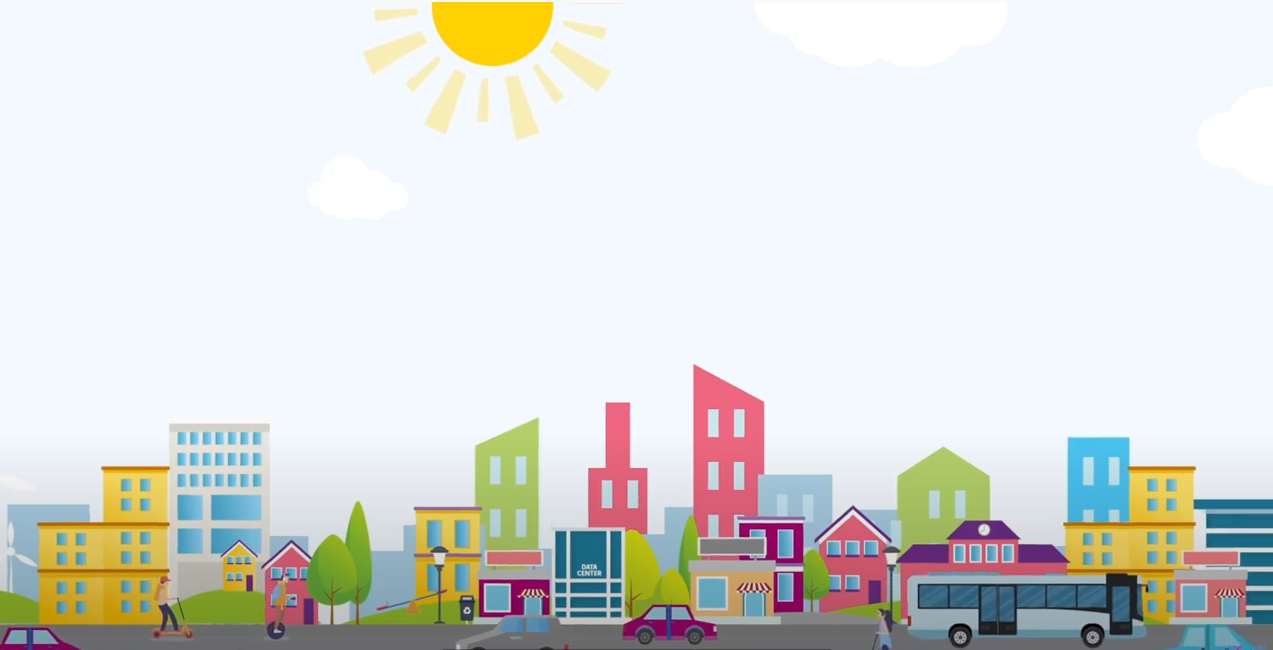
Smart City: Which network is best for which usage?
Communication networks is the first brick of the technological foundation that underlies the data journey for Smart Cities.
-
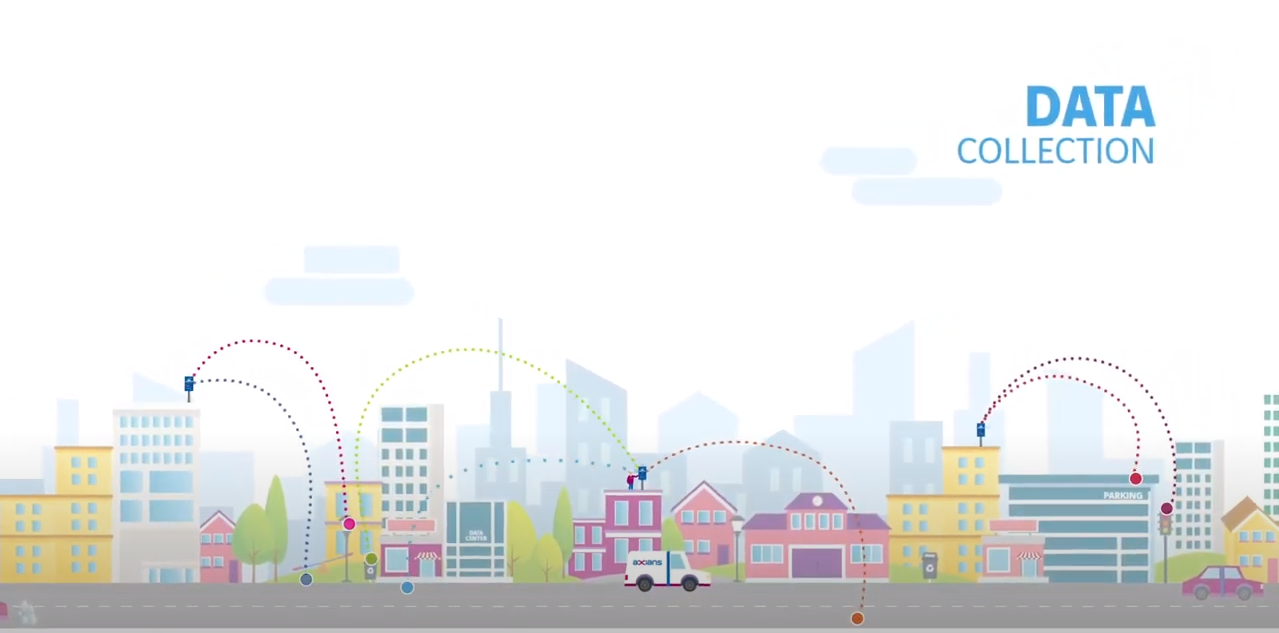
The Data Journey through the Smart City
The analysis of collected data allows a more precise knowledge of how cities work.
-
The Keys to your Smart City
Did you ask yourself the right questions before diving into a Smart City project?
-
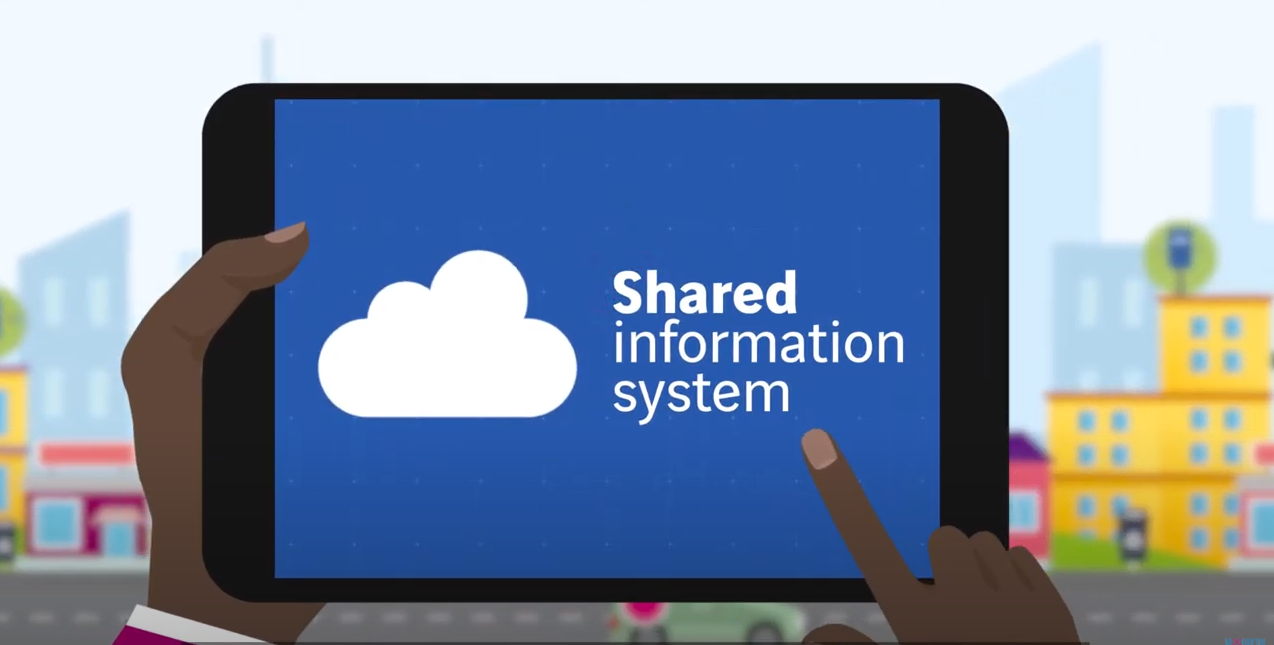
A Smart City is all about Efficiency
Implementing a global digital approach that provides a more real vision of how the city works helps cities facilitate their decision making


Axians deploys an infrastructure that is shared, secured, scalable, and set to support tomorrow’s urban projects.

Sensors for a more liveable city
The Connected Worlds company in the Netherlands has worked with Axians to roll out a network of sensors that enable cities to fine-tune management of such things as traffic and pollution.

Communication Infrastructure for the Smart City
There is no single, universal solution for connecting all the buses, cars, urban lighting, and water and energy systems that have built-in sensors. The best solution for a municipality is a combination of mobile, fibre, WiFi, and Lora. Each technology meets a specific need, in terms of coverage, reliability, and efficiency. The choice of technology will depend on the priority – range, cost, energy consumption, bandwidth, latency, or data transfer rate.