






































| INDUSTRY | EXPERTISE | COUNTRY |
| Healthcare |
| Business Applications
|
| Axians Portugal |
To enhance disease prevention in the healthcare sector, Axians Portugal developed a telemedicine solution known as Intelligent Patient Personalized Care (IPPC), which has already been deployed in Portugal. This innovative system leverages smart devices to enable early detection of acute symptoms, ultimately improving patient outcomes and quality of care.
According to the OECD, as of 2022, 24% of Portugal’s and 21% of France’s populations are aged 65 or older. This demographic shift leads to a surge in chronic conditions like renal failure, heart failure, respiratory failure, and diabetes, which strains significantly healthcare resources.
IPPC offers a technological solution that optimizes chronic disease management. By using connected smart devices, patients are constantly monitored, and information is integrated through a user-friendly mobile app.
This project began in Portugal during COVID-19 when we had critical patients who couldn’t leave their homes. We needed a way to monitor their health metrics, such as heart rates, without losing touch with them. It became a national platform for maintaining contact between patients and healthcare providers during COVID-19.
David Mestre
Innovation Lead | Axians Portugal’s Social & Healthcare Business Unit
Axians Portugal collaborated with suppliers to provide devices, including the circle ring and other medically certified devices, for medical staff to stay connected with patients. These devices measure pulse, blood oxygen levels and other biomarkers related to COPD, cardiac insufficiency, diabetes and other chronic diseases, which is then integrated into IPPC’s intelligent modules.
Our solution has three core domains: data input, data processing, and data intelligence. Physicians analyze the data, and patients can also input information directly through certified questionnaires (PROMs and PREMs).
David Mestre
This connectivity reduces the need for frequent hospital visits, thereby easing patient stress and providing healthcare practitioners with continuous, real-time information for closer patient follow-up. This intelligence can also help predict potential health issues.
For patients, the process begins with downloading a mobile application and connecting it to their wearable devices. This setup allows doctors to be notified whenever an alarm they configured is triggered, and monitor patient’s health via a dashboard, promptly responding to any alerts. IPPC is already being used in Portuguese hospitals, creating impact and changing people’s lives.
Looking Ahead: The Future of IPPC
Axians remains committed to the continuous improvement of IPPC. Future upgrades will introduce new features and broader device support, addressing more chronic conditions and other programs like remote hospitalization. This dedication to ongoing innovation underscores Axians’ mission to enhance healthcare monitoring and expand the solution’s applicability to diverse medical challenges.
As Axians continues to refine and expand IPPC, the solution is set to become even more robust and versatile. The commitment to integrating new features and supporting a wider array of devices will allow IPPC to tackle a broader spectrum of health issues and further ease the burden on healthcare systems.
The acquisition and adaptation of a telemedicine tool developed in Portugal shows how the digital maturity of one country can be exploited and adapted to meet the regulatory and operational requirements of another European market. This comprehensive approach ensures that IPPC and its derivatives, like Serene, meet the needs of all stakeholders in the healthcare system.
David Mestre
IPPC shows how continuous, intelligent monitoring can improve chronic disease management while reducing pressure on healthcare systems. As it expands and evolves, its real impact will depend on how effectively it scales across hospitals and integrates into everyday clinical practice.
Sources: OECD – Elderly Population Data: https://data.oecd.org/pop/elderly-population.htm

Explore More Customer Stories
-

IPPC is changing chronic care in Portugal
ReadTo enhance disease prevention in the healthcare sector, Axians Portugal developed a telemedicine solution known as Intelligent Patient Personalized Care (IPPC), which has already been deployed in Portugal. This innovative system leverages smart devices to enable early detection of acute symptoms, ultimately improving patient outcomes and quality of care.
-

Discover Axians’ innovative tool for diabetes prevention
ReadGestational diabetes mellitus (GDM) is a temporary pregnancy-induced condition where a placental hormone reduces insulin effectiveness, leading to high blood sugar. While it typically resolves after childbirth, it raises the risk of type 2 diabetes in mothers. Affecting about 14% of pregnancies, GDM complicates over 18 million births annually, with rising obesity and older maternal age contributing to its prevalence.
-
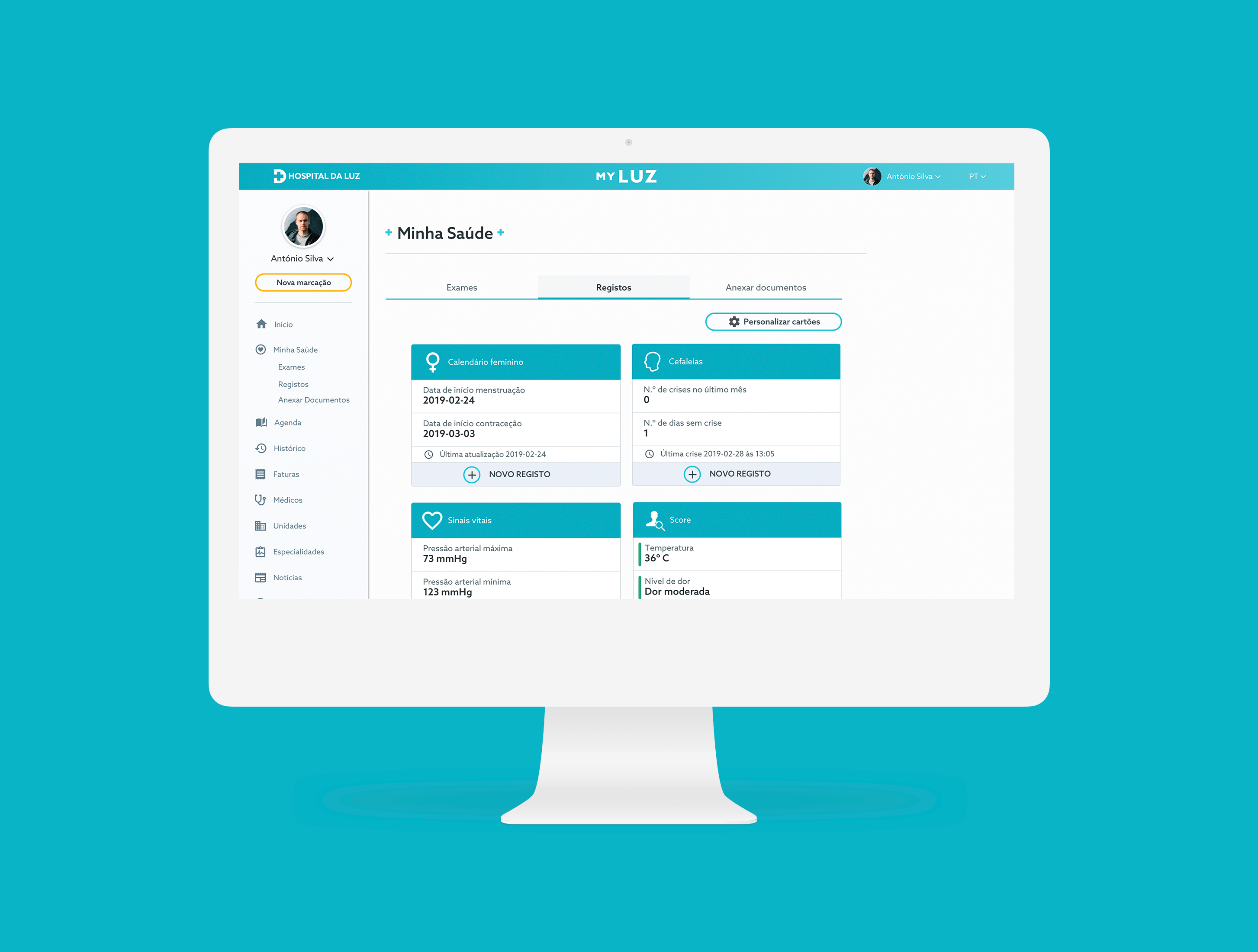
My Luz App: a solution developed by Axians and Luz Saúde
ReadLuz Saúde is one of the largest private healthcare groups in Portugal and a worldwide reference in medical excellence. Digital transformation in healthcare is a major challenge that involves connecting with patients, reducing costs, attending to patients, storing data, and improving operational effectiveness.
-

Pantein Zorggroep chooses the future-oriented Care ERP solution Zorg ERP from Axians
ReadPantein has chosen to extend its partnership with Axians. “After a careful selection process, we deliberately chose Zorg ERP,” says Peter van der Pols, director of Pantein. “We were looking for a future-oriented solution that could support all business processes in the hospital, our home care, and care centers. We found that with Axians. Thanks to this step, we can further digitize our business processes.”
-
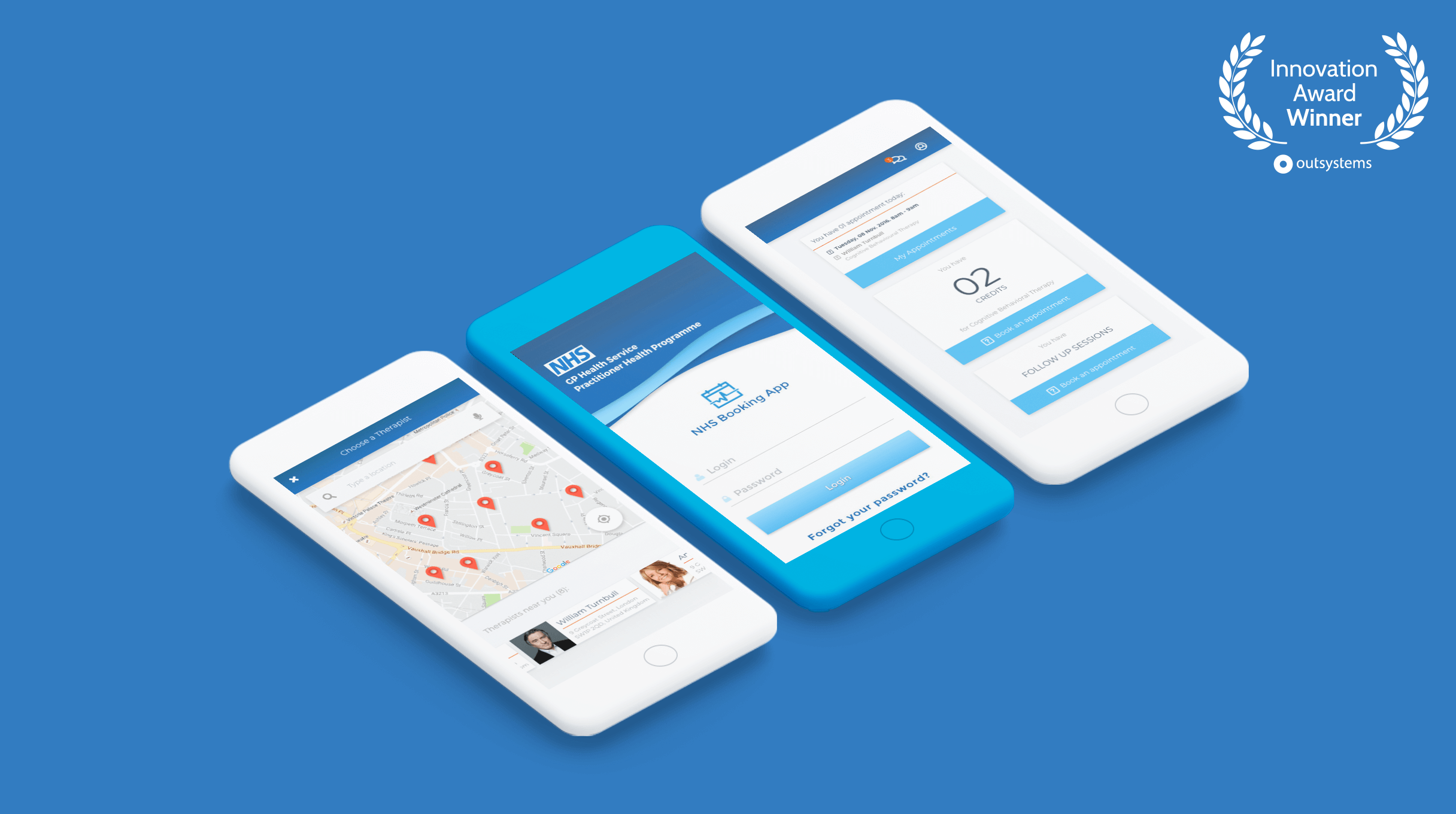
NHS PHP Booking App: the online patient booking system
ReadWith mental health and stress issues growing among doctors and trainees in the UK, The NHS Practitioner Health Programme (PHP) has been delivering care to doctors for a number of years through its London office.
-

Patient controlled access to data delivered to hospitals from Axians Belgium
ReadImeldaziekenhuis and AZ Klina work with Axians to to save time and costs for patient interaction with the Kiosk Solution: myHealthbox.
-
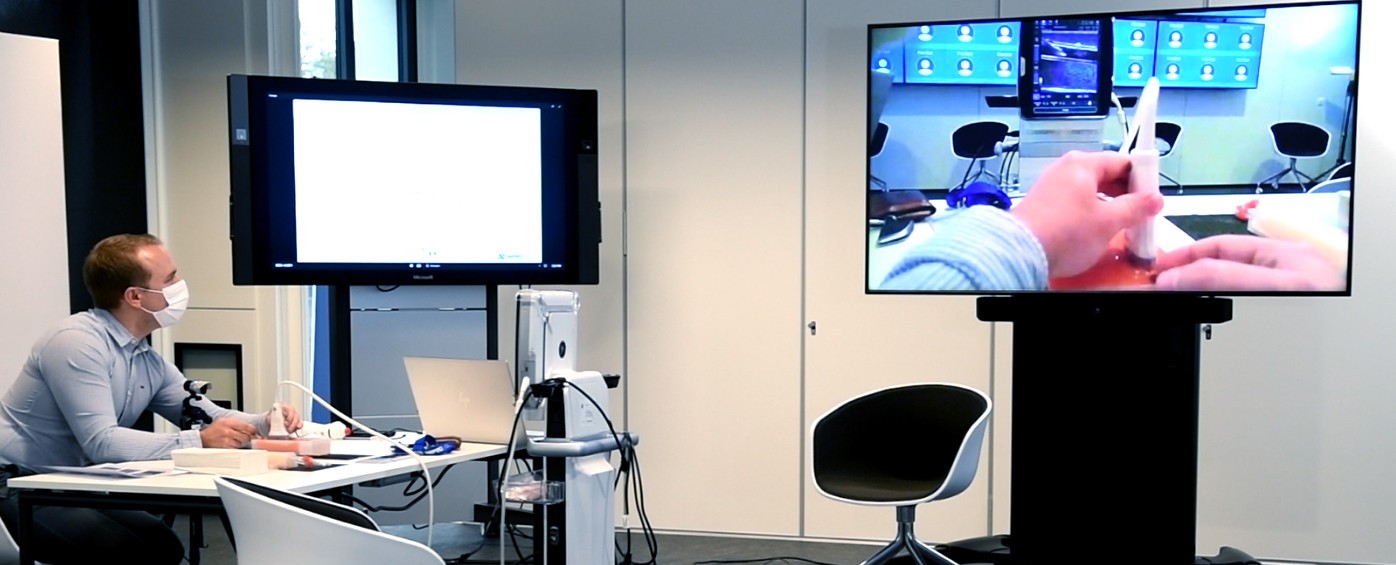
A hybrid virtual classroom for medical training with Nipro Europe and Axians
ReadA highly interactive tele-education system to facilitate remote learning.
-
Axians creates a Big Data environment at UMCG for improved patient diagnostics
ReadAxians designed the data collection, storage and processing, and will maintain the system, helping to improve patient diagnostics and medical research capabilities.
-

Axians implements new network infrastructure at Universitätsklinikum Freiburg (Germany)
ReadAxians redesigned and implemented the new network infrastructure with high scalability and improved stability, which connects four new data centers and the campus of the University.